



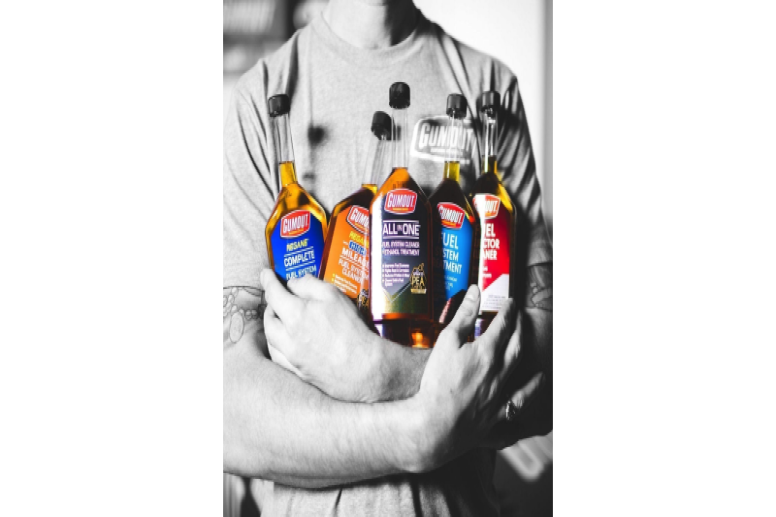
Do Fuel Additives Really Extend Diesel Injector Life? The Science, Myths, and Best Practices
If you own a modern diesel truck or heavy equipment, you’ve probably heard the debate a hundred times at the pump or on forum threads: "Should I run a fuel additive?" With common rail injectors costing anywhere from $300 to $600 each, the stakes are high. Replacing a full set can easily set you back $2,500 to $4,500, not including labor.
In this high-cost environment, a $15 bottle of fuel additive seems like cheap insurance. But does it actually work? Or is it just "mechanic in a can" snake oil?
The short answer is YES—but with significant caveats. Let’s dive deep into the science of diesel fuel, injector wear patterns, and what additives can (and absolutely cannot) do for your engine.
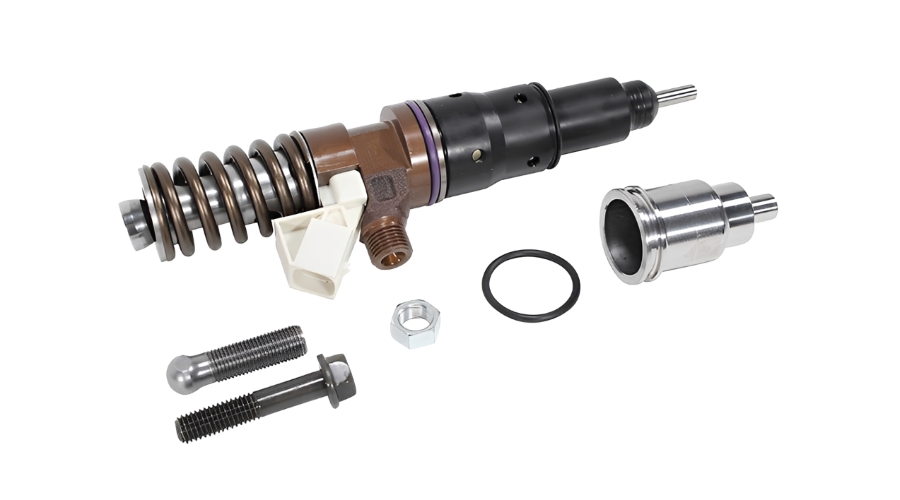
H2: The Root Problem – Why Modern Diesel Fuel Is "Dry"
To understand whether additives help, you must first understand the fuel you are putting in your tank.
In 2006, the EPA mandated the reduction of sulfur in on-road diesel to 15 parts per million (Ultra-Low Sulfur Diesel, or ULSD) . While this was a huge win for emissions and DPF longevity, it created an unintended mechanical consequence: Lubricity loss.
Sulfur naturally acts as a lubricant for moving parts inside the high-pressure fuel pump (CP3/CP4) and the injector plungers.
The hydrotreating process used to remove sulfur also strips away polar compounds that provide natural lubricity.
Without this lubrication, metal surfaces experience boundary friction, leading to scuffing and premature wear.
The Verdict: ULSD is "thirsty" for lubrication. This is where high-quality additives step in.
H2: How Additives Actually Work to Protect Injectors
High-quality diesel fuel additives are formulated with several key chemical packages. Here is how each one contributes to extending injector life:
1. Lubricity Improvers (The "Sulfur Substitute")
These are usually fatty acids or ester-based compounds (like biodiesel blends or specialized synthetic lubricants). They create a microscopic film between the moving internal parts—specifically the plunger and barrel of the injector.
Effect: Reduces wear scar diameter (WSD) significantly. The ASTM D6079 standard for diesel requires a WSD of under 520 microns. Good additives can drop that to under 400 microns, drastically reducing metal fatigue.
2. Detergents and Dispersants (The "Carbon Fighters")
Injector nozzles face extreme heat (over 1,500°F) at the tip. Over time, unburnt fuel carbonizes and forms "coking" —hard deposits that partially block the microscopic spray holes (measured in microns).
Effect: Detergents slowly dissolve these hard carbon deposits, restoring the factory spray pattern. A clean spray pattern means better atomization, which prevents the injector from having to "overwork" to achieve the same power, thus reducing internal stress.
3. Cetane Improvers (The "Ignition Accelerator")
Higher cetane means shorter ignition delay. When fuel ignites faster, less raw fuel impacts the piston crown and injector tip, reducing thermal shock and combustion pressure spikes that can fatigue the injector needle.
4. Demulsifiers and Corrosion Inhibitors (The "Water Blockers")
Water in diesel is the arch-nemesis of common rail injectors (it rusts the ultra-precise internal spools). Good additives break the surface tension of water, allowing it to separate and drop to the bottom of the water-separator filter instead of passing through the injector.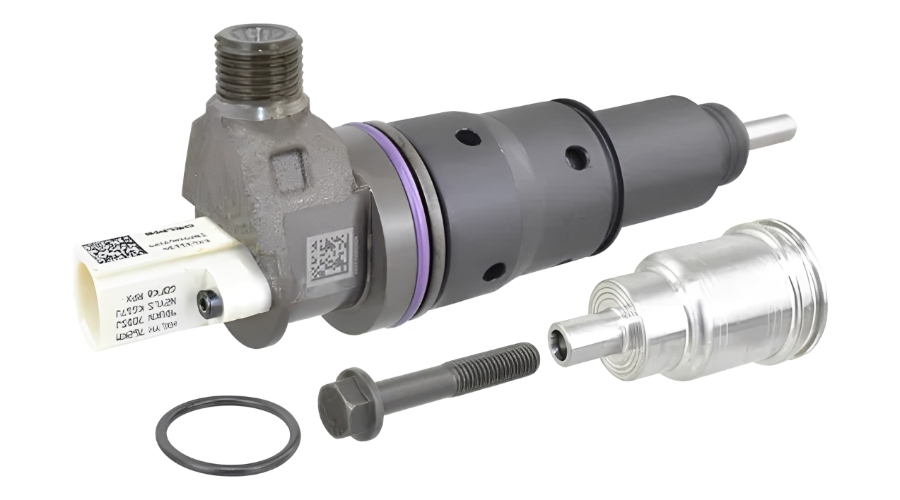
H2: The Hard Truth – What Additives CANNOT Fix
While additives are fantastic for preventative maintenance, they are not miracle workers. If you are experiencing symptoms like severe knocking, heavy black smoke, or fuel in the oil, pouring a bottle of additive into the tank is a wasted effort.
Additives cannot:
Fix worn needle valves: If the needle valve has already worn down (loss of hardness), no chemical can restore the metal.
Repair electrical failures: Piezoelectric or solenoid coils that have shorted out or overheated are mechanical/electrical failures, not fuel-related.
Fix a collapsed or scored plunger: Once an injector plunger is scored due to water ingestion or lack of lubricity over tens of thousands of miles, it is permanently damaged.
Remove heavy, hardened varnish: If an injector has sat for months with old diesel, the varnish may be too hard for over-the-counter additives to dissolve. In this case, it requires ultrasonic cleaning in a diesel shop.
H2: When Should You Use Additives? (The "Sweet Spot")
To maximize the lifespan of your injectors, you should run additives strategically, not necessarily every single tank—unless you are running biodiesel or operating in extreme cold.
Every fill-up (2-3 oz per tank): Best for commercial rigs or daily drivers running on subpar fuel stations. This maintains continuous lubricity.
Every 3rd fill-up: Recommended for modern 6.7L Cummins, Duramax, or Powerstroke engines with good fuel sources.
Seasonal use: In winter, use anti-gel additives that also contain lubricity agents to protect the injectors during cold starts (when fuel thickens and puts stress on the pump).
Crucial Warning: Never over-dose. Adding double the recommended amount can actually cause injector sticking due to excessive detergent washing away the thin lubricating film between tightly fitted parts.
H2: How to Choose the Right Additive (Avoid Alcohol!)
Not all additives are created equal. Here is a quick checklist for choosing a safe, injector-friendly product:
Avoid alcohol-based formulas: Some cheap additives use isopropyl alcohol to remove water. Alcohol has poor lubricity and can degrade rubber seals inside the injector.
Look for "Suitable for Common Rail": The label must specifically state compatibility with high-pressure (26,000+ PSI) common-rail systems.
Check for OEM approvals: Brands like Opti-Lube, Stanadyne, and Power Service have documented testing data (ASTM D6079).
Use a cetane booster sparingly: While beneficial, too much cetane booster can cause "dieseling" or rough running.
H2: The Ultimate Extenders – Fuel Filtration and Quality Parts
Even the best additive in the world cannot save your injectors if your fuel filters are clogged or if you are using low-grade aftermarket parts.
Change your secondary and primary fuel filters every 10,000–15,000 miles. A clogged filter increases the load on the CP3 pump, which can send air or contaminants downstream.
Always drain your water separator daily (or weekly) to remove the water that additives will naturally clump together.
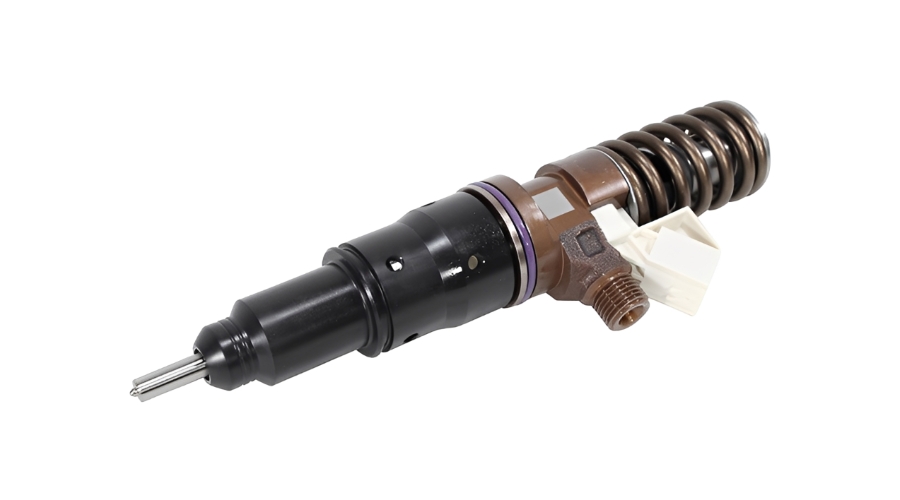
H3: When Additives Are Not Enough – Choose Premium Replacement Parts
Additives are a stopgap for wear and a prevention tool for the future. However, diesel injectors are a wear-and-tear item. Eventually, even the best-maintained injectors will exceed their duty cycle (typically 150,000 to 250,000 miles).
When the time comes to replace them, do not compromise on quality. A cheap, unbranded injector will fail within months, regardless of your fuel quality.
For reliable, OEM-grade replacement common rail injectors for 6.7L Cummins, ISB, and other heavy-duty applications, industry professionals trust Rsolid Engine Parts.
Rsolid provides rigorously tested, flow-matched injectors that meet or exceed Bosch specifications. Whether you are a fleet manager or an independent workshop, having a dependable supplier ensures you eliminate costly comebacks.
Get expert advice and premium quality directly from the source:
WhatsApp: +8615975376778
Email: Amy@rinjector.com
Don't gamble with your engine's heart. Contact Amy at Rsolid Engine Parts for injectors that deliver reliability, proper spray patterns, and long service life—giving your additives the best possible base to work with.