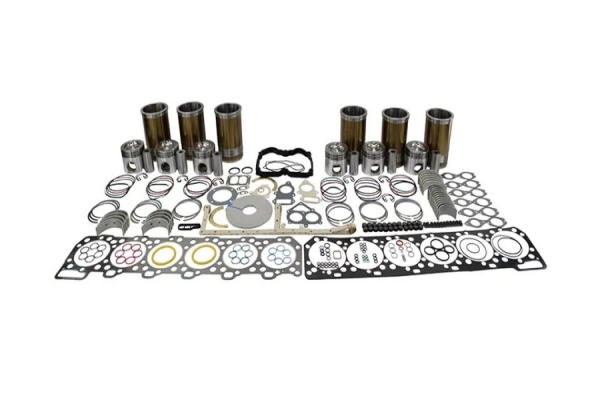
Caterpillar 3126 In‑Frame Engine Rebuild Kit – Restore Performance Without Removing the Engine
Comprehensive Structural Features and Performance Advantages
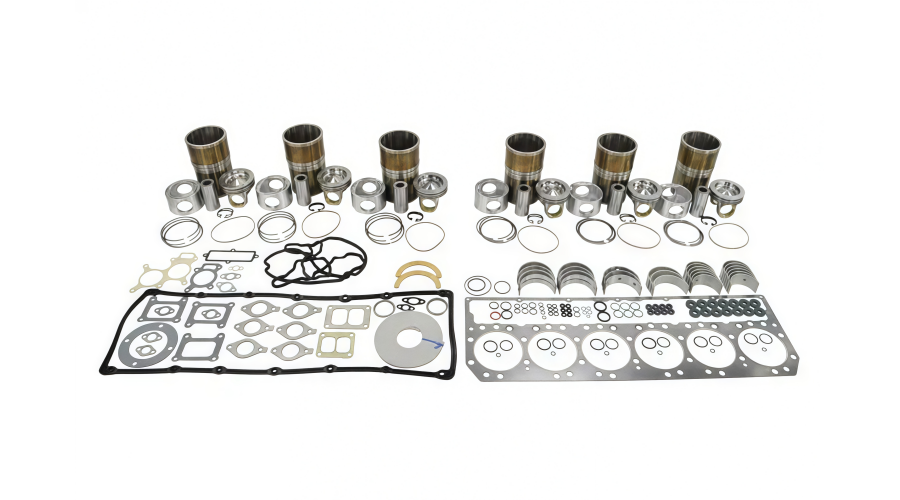
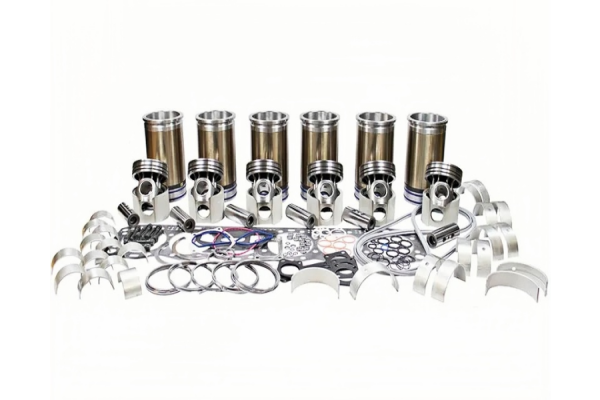
The Caterpillar 3126 in‑frame engine rebuild kit is a complete overhaul solution specifically engineered for this popular 7.2‑liter, inline 6‑cylinder diesel engine. The “in‑frame” designation means the engine can be rebuilt while remaining in the chassis – the oil pan is removed, the cylinder head comes off, and the pistons, liners, and bearings are replaced through the top and bottom without pulling the engine from the vehicle or equipment. This saves significant labor time and reduces downtime compared to an out‑of‑frame rebuild.
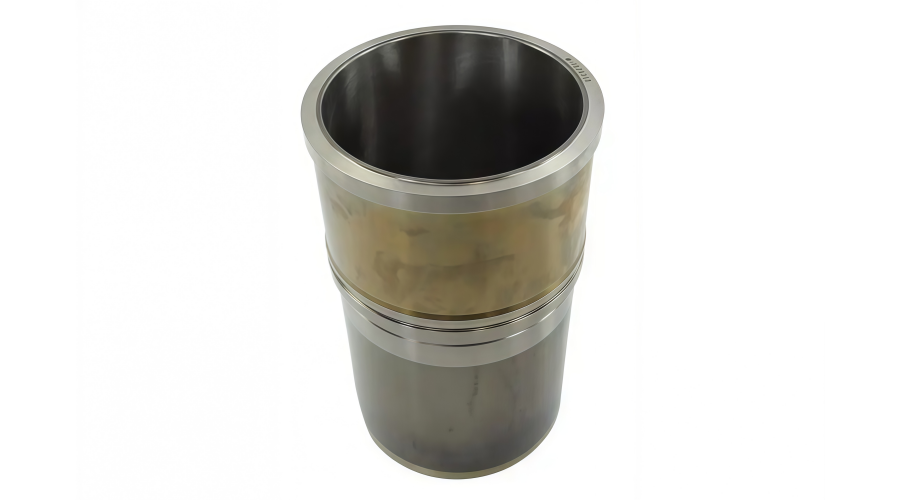
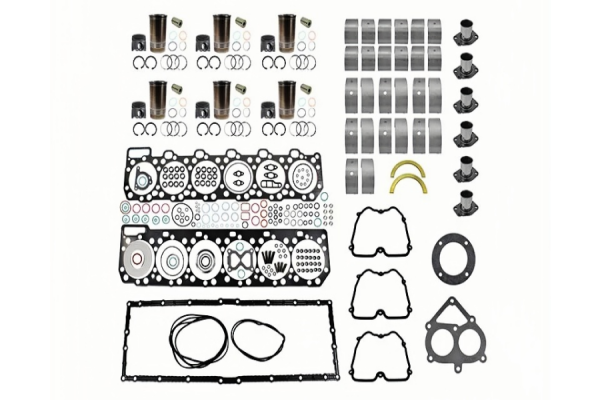
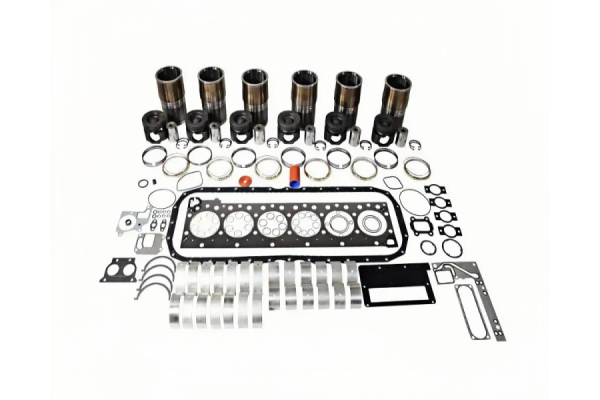
Structurally, the kit includes six heavy‑duty cylinder liners manufactured from centrifugally cast high‑chromium gray iron. Each liner features an induction‑hardened internal bore with a precision plateau‑honed cross‑hatch finish that promotes rapid ring seating and maintains oil retention throughout the life of the engine. The liners are of the “wet” type, meaning they are in direct contact with engine coolant, requiring high‑quality O‑ring seals (included) to prevent coolant leaks into the crankcase.
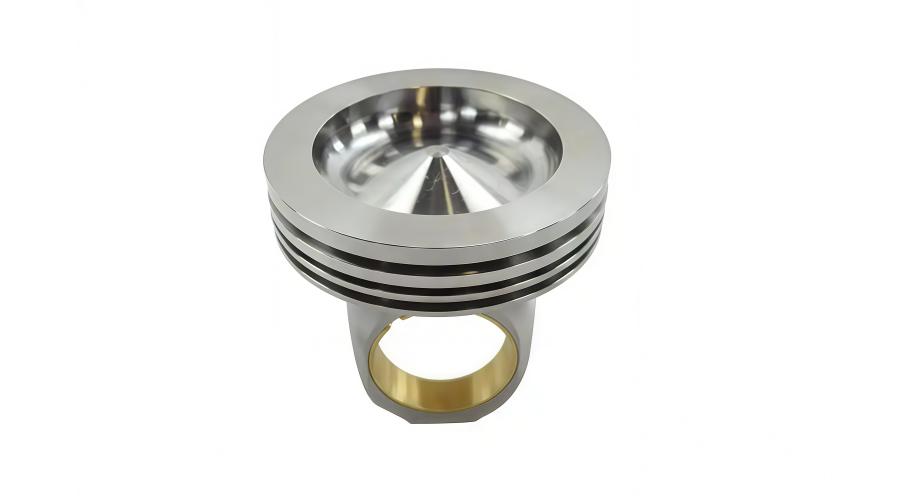
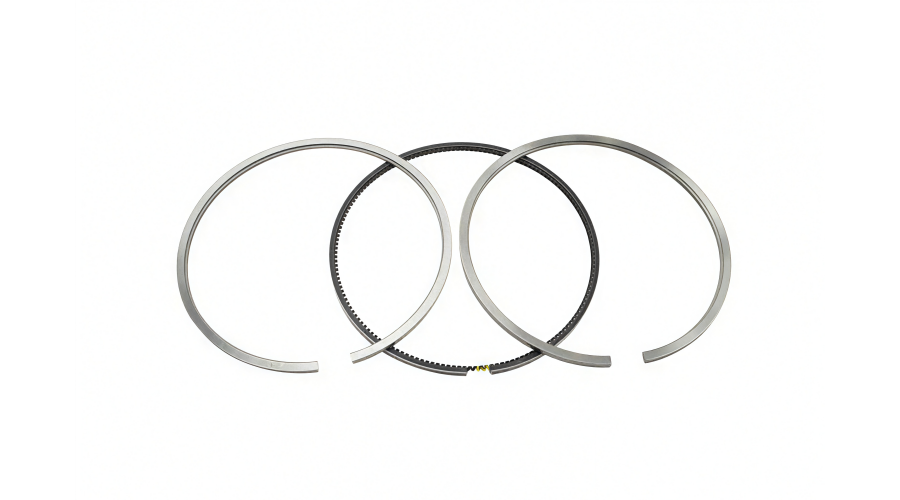
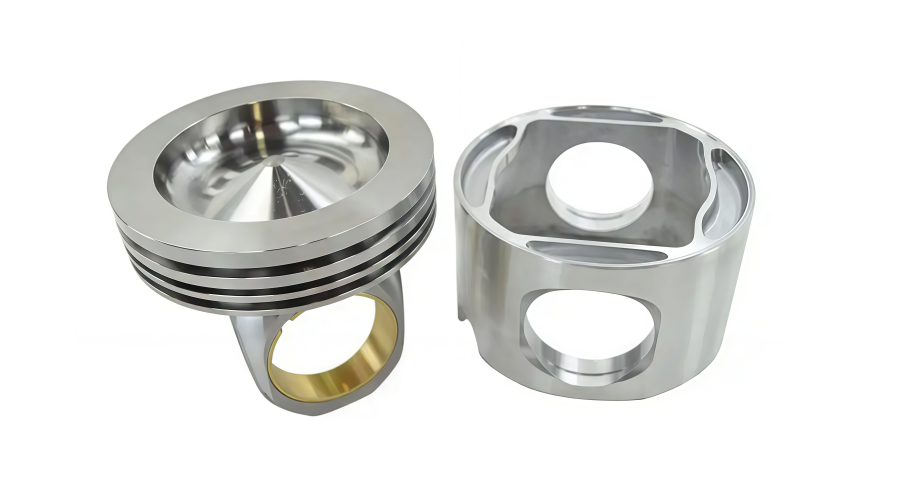
The kit contains six pistons made from forged aluminum alloy with reinforced ring lands and an optimized combustion bowl that matches the 3126’s high‑pressure unit injector (HEUI) fuel spray pattern. For turbocharged and aftercooled versions (most 3126 engines), the pistons feature an internal cooling gallery that receives oil from piston cooling jets, dramatically reducing piston crown temperatures. The piston ring set includes a plasma‑sprayed molybdenum top ring for exceptional scuff resistance, a cast‑iron tapered second ring for oil control, and a three‑piece steel oil control ring assembly with an expander spring.
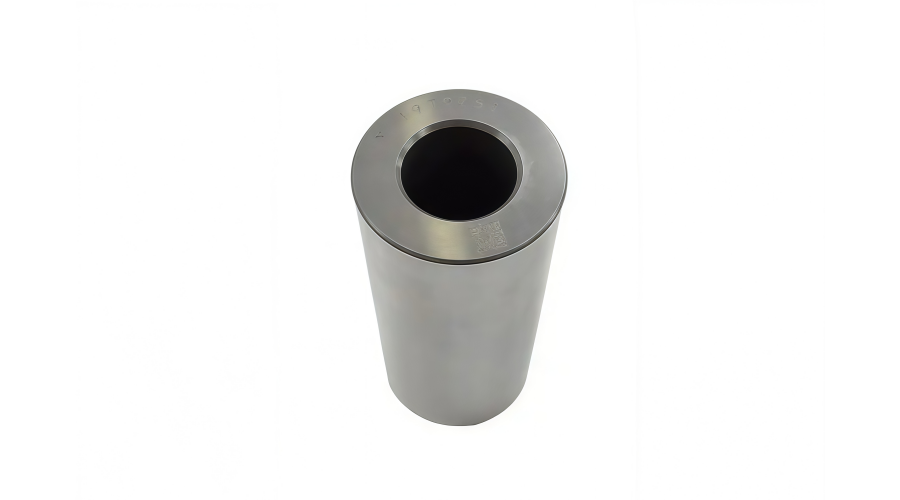
The bearing complement includes a complete set of tri‑metal connecting rod bearings and main bearings (steel backing, copper‑lead intermediate layer, and tin‑babbitt overlay). These bearings are precision‑crush ground to OEM clearances and feature an eccentric bore to form a proper oil wedge. Also included are thrust washers for crankshaft end‑play control and camshaft bearings.
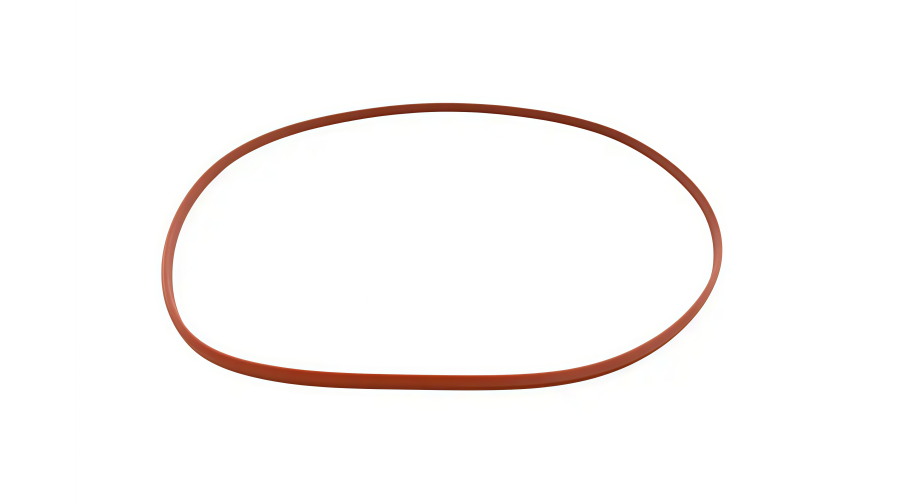
The full gasket set is a major component of the in‑frame kit. It includes a premium multi‑layer steel (MLS) cylinder head gasket specifically designed for the 3126’s high cylinder pressures (up to 2,200 psi). Also included are elastomeric valve cover and oil pan gaskets, intake and exhaust manifold gaskets, timing cover seals, water pump gasket, turbocharger mounting gaskets, and all necessary O‑rings, dowel seals, and copper washers for the HEUI injectors and coolant passages. Many kits also include new piston cooling jets, connecting rod bolts (torque‑to‑yield), and valve stem seals.
All components in the 3126 in‑frame rebuild kit are sourced from ISO‑9001 certified manufacturers and are dimensionally verified to match Caterpillar’s published specifications. Rsolid Engine Parts offers both standard and oversize (0.010″, 0.020″, 0.030″) components to match crankshafts that have been reground. Each kit is carefully inspected and packaged to ensure completeness and prevent damage during shipping.
Core Working Principle of the 3126 In‑Frame Rebuild Kit
The Caterpillar 3126 is a 6‑cylinder, 4‑stroke, turbocharged and aftercooled diesel engine with a bore of 110 mm (4.33 inches) and a stroke of 127 mm (5.0 inches), displacing 7.2 liters (439 cubic inches). It utilizes a High‑Pressure Electronic Unit Injection (HEUI) fuel system, which uses engine oil pressure amplified to up to 28,000 psi to inject fuel directly into the cylinders. This engine is known for its robust torque rise and fuel efficiency, but like all diesel engines, it eventually wears out its internal components.
Over thousands of operating hours – typically 8,000 to 12,000 hours in vocational use or 300,000 to 500,000 miles in on‑highway trucks – the cylinder liners lose their cross‑hatch finish, become polished, or develop wear steps. Piston rings lose tension and may become stuck in carbon‑filled grooves. Combustion pressures blow past the rings, creating excessive crankcase blow‑by. Bearings develop fatigue cracks and copper‑lead exposure, increasing oil clearances and reducing oil pressure. The cylinder head gasket may fail due to thermal cycling and high cylinder pressures, leading to external coolant leaks or internal cross‑contamination.
When an in‑frame rebuild is performed using this kit, the technician works with the engine still mounted in the chassis. The oil pan is removed, the cylinder head is lifted off, and the oil pump and pick‑up tube are detached. The old pistons and connecting rods are pushed out through the top of the bores. The worn cylinder liners are pulled out using a liner puller tool. The crankshaft remains in place, but new main bearings can be installed by lowering the crankshaft slightly after removing the main bearing caps.
New liners are pressed into the block, and their protrusion above the block deck is measured (typically 0.002–0.006″) to ensure proper head gasket sealing. New pistons are assembled with fresh rings (ring gaps staggered), then installed into the liners using a ring compressor. New rod bearings are fitted, and the connecting rods are torqued to specification. New main bearings are installed, and the crankshaft’s end play is checked with new thrust washers. The new MLS head gasket is placed, the cylinder head is reinstalled, and head bolts are torqued in three stages (including a final angle torque). All new gaskets and seals are installed, and the oil pan is refitted with a new gasket.
The result is an engine with restored compression, oil control, and bearing clearances – often delivering 95‑100% of original power and fuel efficiency, without ever removing the engine from the vehicle. An in‑frame rebuild using a quality kit like the one from Rsolid Engine Parts typically extends engine life by another 300,000 miles or 8,000 hours.
Primary Application Equipment
The Caterpillar 3126 engine (and its successor, the C7) is found in a vast range of medium‑duty and heavy‑duty applications. An in‑frame rebuild kit is essential for maintaining this popular engine. Applications include:
Medium‑Duty Trucks and Buses
Freightliner FL series (FL70, FL80, FL106, FL112)
International 4000 and 8000 series (e.g., 4700, 4900, 8100)
Kenworth T300, T600 (medium duty)
Peterbilt 330, 335, 378
Sterling trucks (L7500, L8500)
Thomas Built Buses and Blue Bird school and transit buses
Recreational Vehicles (RVs)
Construction Equipment
Caterpillar excavators (e.g., 320B, 322B, 325B – some variants use the 3126)
Caterpillar wheel loaders (950G, 962G, 966G – early models)
Caterpillar backhoe loaders (446B, 446C, 446D)
Caterpillar motor graders (120H, 135H, 140H)
Industrial Equipment
Generator sets (150–300 kW range)
Industrial pumps (water, oil, gas compression)
Drill rigs (surface and underground)
Fire and Emergency Vehicles
Marine
The 3126 engine is also common in many Caterpillar machines originally equipped with the 3116 engine (the 3126 is a stroked version of the 3116). When ordering an in‑frame rebuild kit, it is critical to provide the engine serial number (e.g., prefix 8YL, 9SZ, 1WN, 2YG, etc.) to ensure correct component fitment, especially for the HEUI injector seals and piston cooling jets.
Common Failure Symptoms and In‑Frame Rebuild Guidelines
The following symptoms indicate that a Caterpillar 3126 engine is ready for an in‑frame rebuild using a complete rebuild kit:
Excessive Crankcase Blow‑by – Remove the oil fill cap while idling. Heavy vapor or “puffing” indicates combustion gases leaking past worn rings. Blow‑by that pressurizes the crankcase enough to push oil out of the breather or past the rear main seal requires immediate attention. Measured crankcase pressure exceeding 10 inches of water at rated speed is unacceptable.
High Oil Consumption (over 1 quart per 200 miles or 2 quarts per 100 hours) – Blue exhaust smoke, frequent topping off, and oily residue in the charge air cooler or exhaust are clear signs. New pistons, rings, and liners from the kit will restore oil control.
Loss of Power and Poor Fuel Economy – The engine feels sluggish, struggles to maintain speed on grades, and fuel consumption increases noticeably. Low compression due to worn rings and liners reduces torque output. A relative compression test (using a diagnostic tool) or a cylinder cut‑out test will identify weak cylinders.
Hard Starting, Especially Cold – Extended cranking times, white smoke during cranking, or reliance on ether indicates low compression. The 3126 HEUI system relies on good mechanical compression to fire; low compression makes starting difficult even if the HEUI system is functioning properly.
Low Oil Pressure and Knocking Noises – Hot idle oil pressure below 15 psi or working RPM pressure below 30 psi suggests excessive bearing clearance. A deep, rhythmic knock that worsens under load confirms rod or main bearing wear. The new bearing set in the kit will restore proper oil pressure.
Coolant in Oil or Oil in Coolant – Milky oil on the dipstick or oil film in the coolant expansion tank indicates a failed cylinder head gasket, cracked liner, or failed liner O‑rings. The MLS head gasket and new liner seals in the kit address this.
In‑Frame Rebuild Guidelines Using the Rebuild Kit – An in‑frame rebuild on a 3126 requires mechanical expertise, but it is a common procedure. Steps: Drain oil and coolant. Remove valve cover, rocker arms, pushrods, and cylinder head. Remove oil pan, oil pump, and pick‑up tube. Remove connecting rod caps and push pistons/rods out the top. Remove cylinder liners using a puller. Clean block deck and cylinder bores. Install new liners with proper press fit and protrusion (use liner sealant on the lower seal groove). Install new main bearings (may require loosening main caps). Assemble new pistons to rods with new rings (gap staggering). Install piston/rod assemblies with new rod bearings. Torque rod bolts to spec (often torque‑to‑yield – replace bolts). Install new camshaft bearings if needed. Install new head gasket and cylinder head, torquing head bolts in three stages (e.g., 65→90→120 ft‑lbs + 90° angle). Replace all gaskets, seals, and O‑rings. Reinstall oil pan with new gasket. Fill with break‑in oil and fresh coolant. Start engine and run at 1000 RPM for 5 minutes, check for leaks. Vary load for the first 50 hours; avoid constant idle or full throttle. Change oil and filter after 50 hours. Rsolid Engine Parts provides a detailed torque specification sheet and installation guide with every kit.