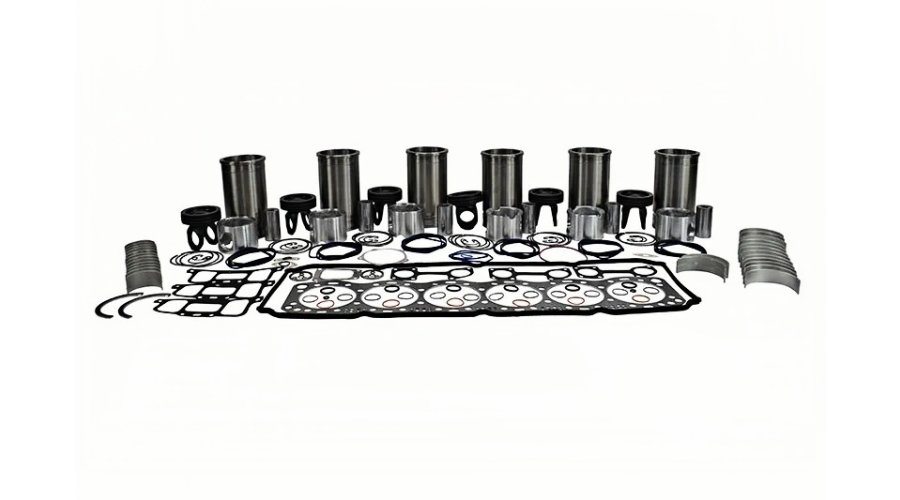
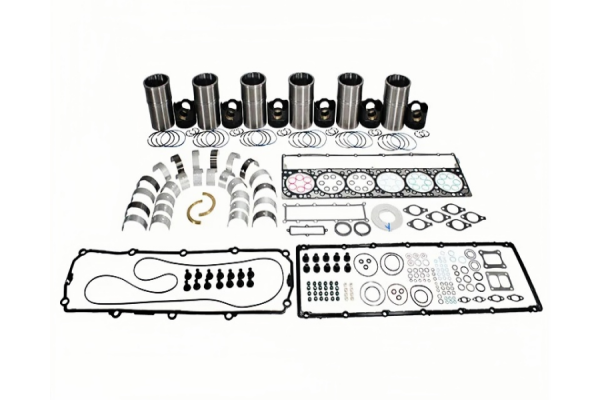
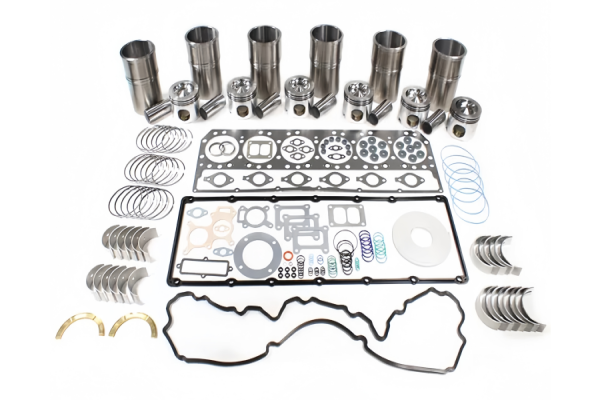
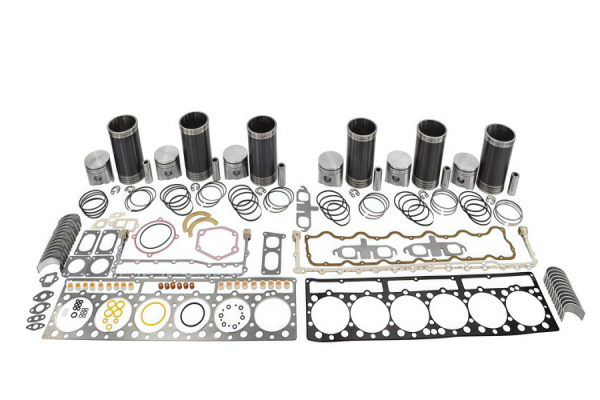
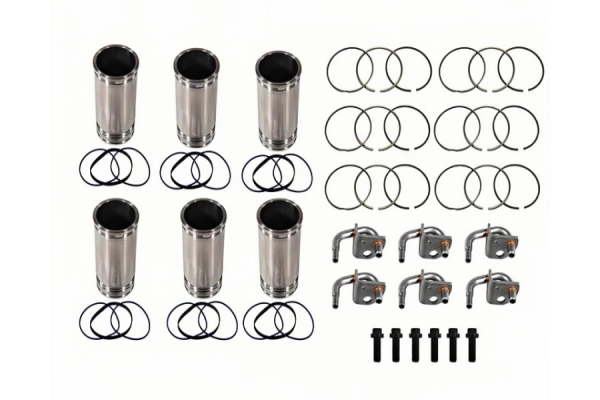
Engine Rebuild Kit 23532554 for Detroit Diesel Series 60 12.7L
Structural Features and Advantages
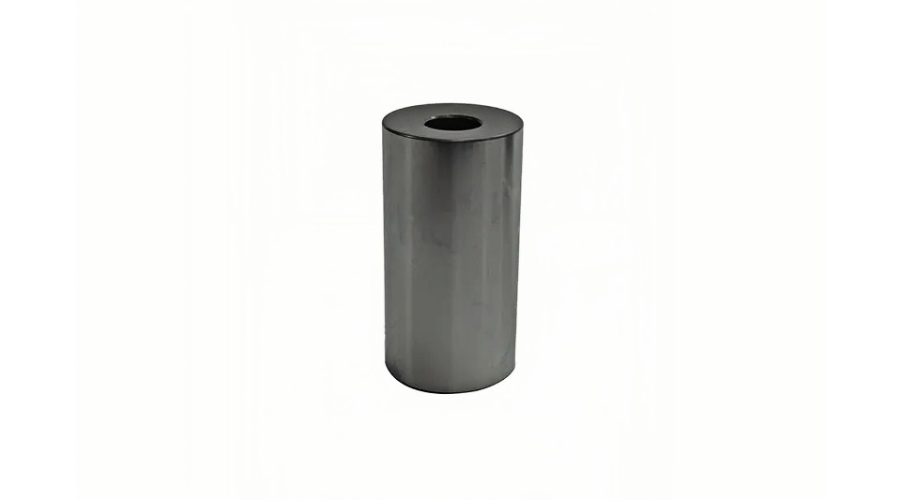
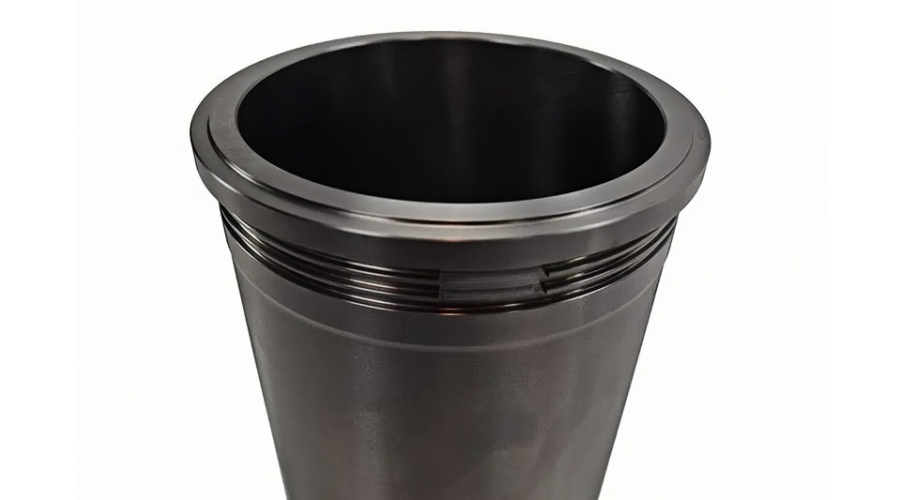
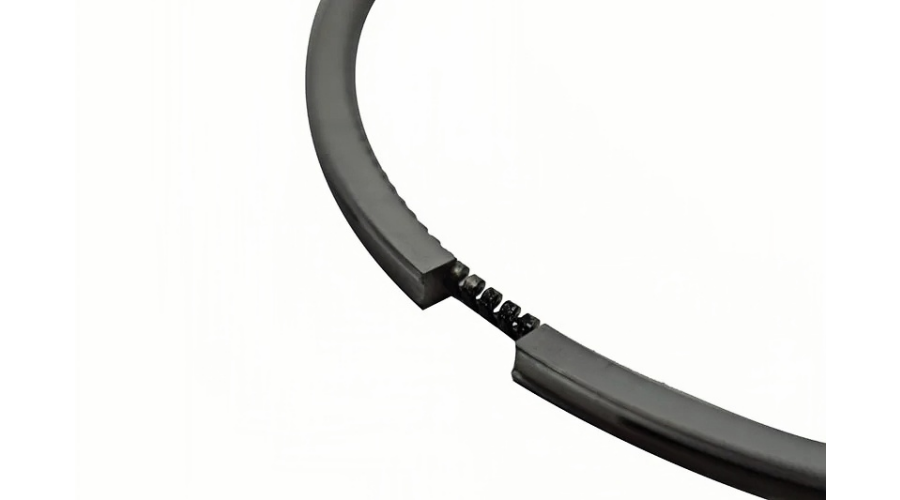
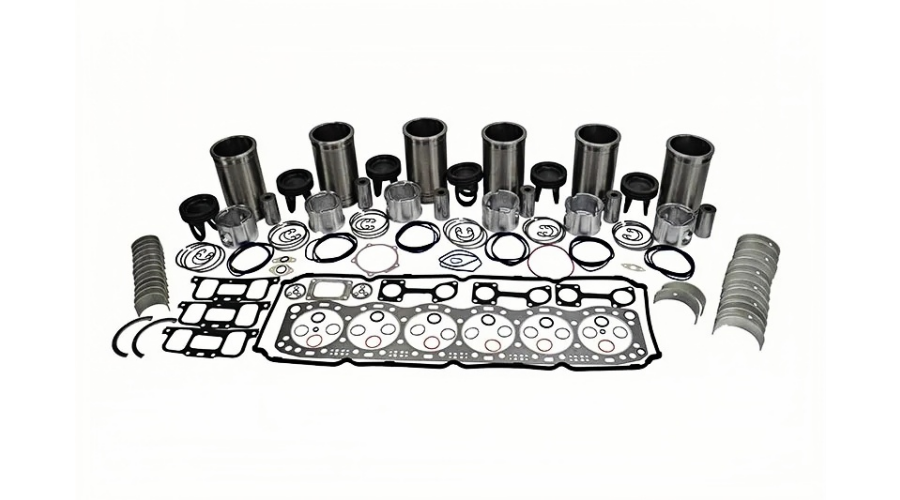
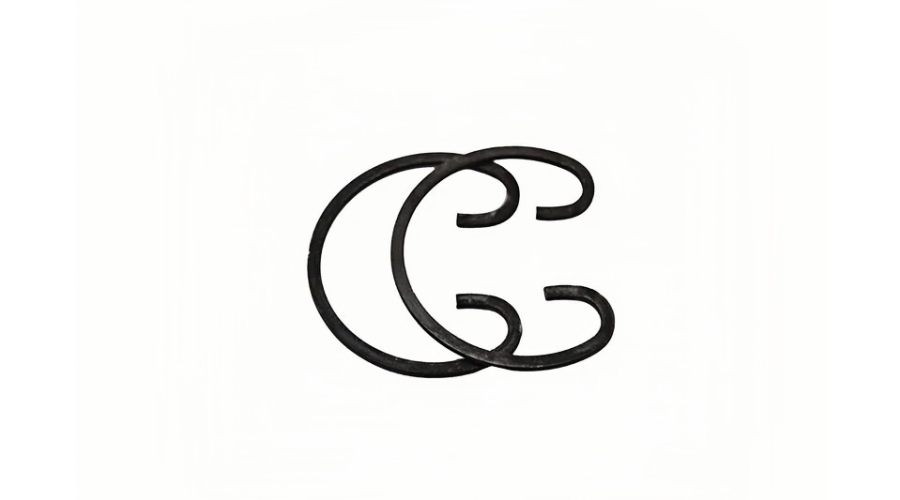
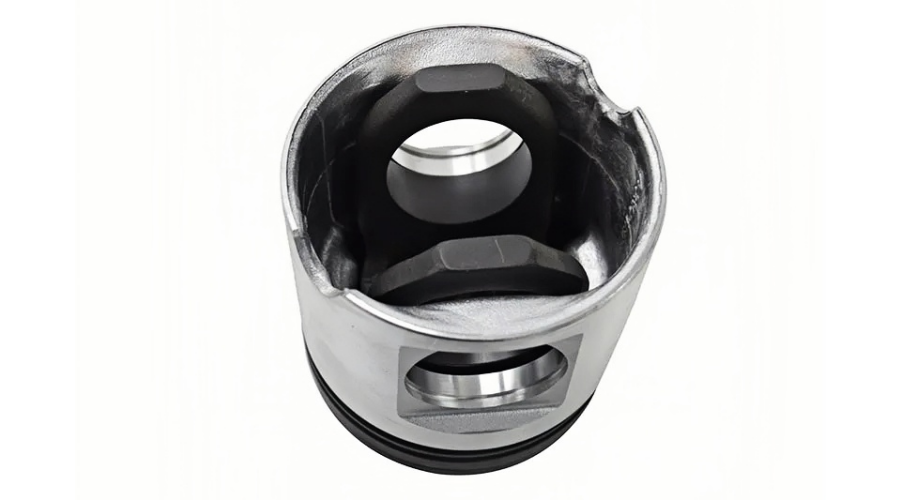
The 23532554 engine rebuild kit is a comprehensive master overhaul solution specifically engineered for the Detroit Diesel Series 60 12.7L engine, one of the most legendary and widely produced heavy-duty diesel engines in North American history (manufactured from 1987 to approximately 2010). This 12.7-liter, 6-cylinder, 4-stroke engine powered millions of Class 8 trucks, motorcoaches, and industrial equipment. The 23532554 rebuild kit typically includes over 200 precision components: six piston assemblies (complete with forged aluminum pistons, chrome or plasma-moly coated rings, wrist pins, and circlips), six cylinder liner kits (wet liners with O-rings and seals), main bearing set (7 shells including thrust washers), connecting rod bearing set (6 pairs), full gasket set (cylinder head gasket, valve cover gasket, oil pan gasket, intake and exhaust manifold gaskets, front and rear timing cover gaskets, water pump gaskets, thermostat housing gaskets, and all O-rings including injector seals), full seal set (front and rear crankshaft seals, camshaft seals, auxiliary drive seals), valve stem seals, and often freeze plugs, piston cooling jets, and bearing cap bolts. Structurally, the pistons are forged aluminum alloy (4032 or 2618) with an anodized top ring groove for high-temperature durability. The piston crown features a re-entrant combustion bowl optimized for the Series 60’s electronic unit injector (EUI) fuel system, promoting complete combustion and low soot formation. The cylinder liners are flame-hardened or induction-hardened gray iron with a plateau-honed cross-hatch finish (Ra 0.2–0.4 µm) for rapid ring seating and controlled oil consumption. The bearings utilize tri-metal construction (steel backing, copper-lead intermediate layer, and tin/lead-tin overlay) capable of withstanding peak cylinder pressures up to 170 bar and high-output ratings up to 500 hp and 1650 Nm torque. Key advantages of the 23532554 rebuild kit include: exact OEM compatibility (matches Detroit Diesel original specifications for 12.7L Series 60 with electronic unit injection, covering both early and late variants), significant cost savings (40–60% less than purchasing genuine Detroit Diesel parts separately), reduced downtime (single part number delivers every wear component for a complete in-frame or out-of-frame overhaul), and improved durability (many aftermarket kits use upgraded ring coatings and bearing materials that outperform original parts). This kit restores the Series 60 12.7L to factory-fresh compression ratio (16.0:1 or 17.5:1 depending on rating), oil pressure (35–75 psi hot running), fuel economy (185–195 g/kWh), and emissions compliance, extending engine life by another 12,000–15,000 operating hours or 500,000–600,000 miles under normal duty.
Core Working Principle
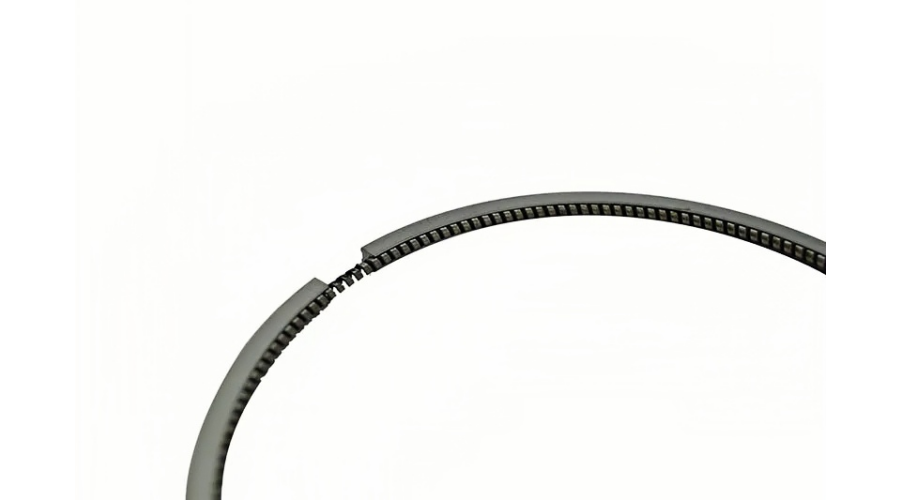
The 23532554 engine rebuild kit functions by replacing all major wear-limited components in a worn Detroit Diesel Series 60 12.7L engine, thereby restoring the original thermodynamic efficiency and mechanical precision. The Series 60 engine operates as a four-stroke turbocharged diesel with an electronic unit injector (EUI) system, where each cylinder has its own injector mechanically actuated by the camshaft and electronically controlled by the ECM (Electronic Control Module). Over time, the piston rings lose tension, cylinder liners develop taper and out-of-roundness, bearings wear, and gaskets harden. When the new components from the 23532554 kit are installed, the following restoration occurs: The new piston ring pack – typically consisting of a barrel-faced top compression ring (often chrome or plasma-moly coated), a taper-faced second compression ring, and a three-piece oil control ring with a coil expander – creates a high-integrity gas seal against the freshly honed liner. This reduces blow-by from worn-engine levels (often exceeding 120 L/min) to less than 30 L/min at rated speed (1800–2100 RPM), which is within Detroit Diesel’s new engine specification. The new cylinder liners restore the original bore diameter of 137.16 mm (5.4 in) and geometry, eliminating piston slap and ensuring even heat transfer from the combustion chamber to the coolant jacket. The new main and rod bearings re-establish precise oil clearances: main bearing clearance typically 0.058–0.118 mm, rod bearing clearance 0.043–0.089 mm. This maintains oil pressure within the 35–75 psi range at operating temperature, preventing crankshaft journal damage and reducing friction. The new MLS (multi-layer steel) cylinder head gasket seals combustion pressures reaching 170 bar, while keeping coolant and oil passages separate. The head gasket also ensures proper liner protrusion (0.05–0.10 mm above block deck). The valve stem seals (included in the gasket set) prevent oil migration past valve guides, eliminating blue smoke on startup and reducing oil consumption by up to 0.5 quarts per 1000 miles. The result is a Series 60 12.7L engine that delivers its original rated power (typically 350–470 hp for over-the-road truck ratings, up to 500 hp for high-output industrial versions) with a smooth idle, no misfire, restored torque curve, and fuel economy returning to baseline (approximately 6.5–7.5 mpg in a typical Class 8 truck, or 185–195 g/kWh for generator applications). The rebuilt engine also produces lower emissions (reduced PM and NOx), helping older engines comply with regional air quality regulations where retrofit is permitted.
Main Application Equipment
The 23532554 engine rebuild kit is used for overhauling Detroit Diesel Series 60 12.7L engines across a vast range of heavy-duty applications, including:
Class 8 heavy-duty trucks – Freightliner (Classic, Century, Columbia, Cascadia), Peterbilt (379, 387, 388, 389), Kenworth (T600, T800, T2000, W900), Volvo (VNL, VNM), International (9000 series, ProStar with Series 60 option), Western Star, Mack (CH, CX, Vision with Series 60). The Series 60 dominated over-the-road trucking from the 1990s through 2000s.
Refuse and vocational trucks – Garbage trucks, roll-off hoists, concrete mixers, dump trucks, snowplows, and vacuum trucks from manufacturers like Autocar, Mack, Peterbilt, and Kenworth.
Motorcoaches and transit buses – Prevost (H3-41, H3-45, X3-45), MCI (J4500, D4500), Setra, Van Hool, and New Flyer transit buses equipped with Series 60 (typically 350–410 hp ratings).
RVs and luxury motorhomes – Large diesel pusher RVs from Fleetwood, Monaco, Tiffin, Newmar, and American Coach with Series 60 power (often 400–450 hp).
Fire trucks and emergency vehicles – Aerial ladder trucks, tankers, pumpers, and rescue vehicles where Series 60 was specified for its reliability and compact footprint.
Construction and mining equipment – Large excavators, wheel loaders, bulldozers, and motor graders (some OEMs offered Series 60 as an alternative to Caterpillar or Cummins).
Generator sets – Prime and standby gensets rated from 200 kW to 550 kW, common in data centers, hospitals, telecommunication facilities, oil and gas fields, and manufacturing plants.
Marine propulsion – Tugboats, fishing vessels, small ferries, patrol boats, and recreational yachts with Detroit Diesel Series 60 marine ratings (400–550 hp).
Pumping and compression stations – Irrigation pumps, flood control pumps, natural gas compressors, and pipeline booster pumps.
Agricultural equipment – Large self-propelled sprayers, combines, and tractors where Series 60 was used as a high-horsepower option.
The Series 60 12.7L engine is considered a milestone in diesel engineering, known for its reliability, fuel efficiency, and long life. The 23532554 rebuild kit is essential for keeping these millions of engines in service, as genuine Detroit Diesel parts become increasingly scarce and expensive.
Common Failure Symptoms & Repair/Replacement Guidelines
Failure symptoms indicating the need for the 23532554 rebuild kit on a Detroit Diesel Series 60 12.7L engine:
Excessive blow-by – Smoke or pressure venting from the crankcase breather tube. A manometer reading above 80 L/min at rated speed (1800–2100 RPM) indicates severely worn rings and liners. High blow-by also causes oil leaks from the front and rear seals and may push oil into the air intake via the breather system.
High oil consumption – Exceeding 1 quart (0.95 L) per 500 miles (800 km) or noticeable blue smoke from the exhaust, especially on deceleration (worn valve stem seals) or constant (worn rings). A healthy Series 60 consumes less than 1 quart per 2000 miles.
Low compression – Hard starting (especially in cold weather), rough idle, lack of power under load, cylinder misfire. A relative compression test using Detroit Diesel Diagnostic Link (DDDL) shows cylinder contribution imbalance greater than 15%. Manual compression test (requires removing injectors) should show 380–460 psi (26–32 bar) – below 300 psi indicates need for overhaul.
Low oil pressure – Hot idle oil pressure below 10 psi (0.7 bar) and running pressure below 30 psi (2.1 bar) at 1800 RPM. Caused by worn main and rod bearings, worn oil pump, or excessive bearing clearances (main >0.15 mm, rod >0.12 mm).
Knocking noises – Deep, dull, rhythmic knock that changes with engine speed and load (main or rod bearing knock). A sharper rap (piston pin knock) or high-frequency rattle (piston slap) that is most audible during cold start and light load. The Series 60 is known for piston cracking in high-mileage engines, producing a characteristic metallic tick.
Coolant loss without external leak – Combustion gases entering the cooling system through a failed head gasket, causing pressurized coolant loss, overheating, and potential hydrostatic lock (water in cylinders leading to bent connecting rods). A coolant hydrocarbon test (combustion leak detector) will turn from blue to yellow/green.
Fuel dilution of engine oil – Worn rings allow unburned fuel to bypass into the crankcase, thinning the oil and reducing its viscosity. Oil analysis will show fuel percentage > 5% (mass) and a drop in viscosity below 12 cSt at 100°C.
Oil analysis abnormalities – High iron (cylinder liner/ring wear – typically > 200 ppm), copper (bearing wear – > 100 ppm), lead (bearing overlay wear – > 50 ppm), aluminum (piston or ring wear – > 80 ppm), silicon (dirt ingestion from air filter leaks – > 30 ppm). Also, high soot content (> 3% by weight) due to blow-by.
Black smoke under load – Overfueling relative to air charge, which can be caused by low boost (turbocharger issue) but often accompanied by low compression from worn rings. However, rule out charge air cooler leaks and turbo before condemning the engine.
Hard start when warm – Low compression, leaking injector, or sticky valves. Often combined with white smoke on startup (unburned fuel).
Repair and replacement points for the 23532554 kit:
Confirm engine model and serial number – The 23532554 kit is designed for the Detroit Diesel Series 60 12.7L (bore 137.16 mm). However, there are variations: early mechanical unit injector (MUI) vs. electronic unit injector (EUI – most common). The 23532554 is for EUI versions (1990s–2000s). Also confirm if the engine has a Jacobs brake or other compression brake (valve stem seals may differ). Provide your engine serial number (ESN) and DDEC rating to Rsolid Engine Parts for exact matching. Do not use this kit on 14.0L Series 60 (bore 144.78 mm) unless specified.
Decide between in-frame and out-of-frame overhaul – In-frame rebuild is very common for Series 60 in trucks, where the engine remains in the chassis, oil pan is removed, cylinder head comes off, liners are pulled from the top, and bearings are replaced from below. Out-of-frame is needed if the crankshaft requires grinding (undersize bearings), the block needs line-boring, or if the engine has spun a bearing or cracked the block.
Inspect the cylinder head thoroughly – The Series 60 head is prone to cracking, particularly between the valve seats and injector bore, and across the fire deck between cylinders. Remove the head and send it to a machine shop for magnaflux (magnetic particle) or dye penetrant inspection. Cracks longer than 0.5 inch (13 mm) in the fire deck typically require head replacement. Also inspect valve guides (replace if clearance > 0.10 mm) and valve seats (re-cut or replace if recessed). Resurface the head only if warpage exceeds 0.15 mm (0.006 in) – otherwise, use a new MLS gasket without milling.
Cylinder liner installation – Series 60 uses wet liners with O-rings at the bottom and an upper seal ring. Clean the liner counterbore in the block thoroughly. Use a wire brush and compressed air to remove all old gasket material and carbon. Install new O-rings and lubricate with soapy water (not oil, which can cause O-ring roll-out). Press liners in by hand or with a liner installation tool. Measure liner protrusion above the block deck using a dial gauge with a bridge. Specification: 0.05–0.10 mm (0.002–0.004 in) for most Series 60 engines. No shims are typically used; if protrusion is out of spec, the counterbore may need machining or liners with different flange heights must be sourced. Incorrect protrusion is the #1 cause of head gasket failure.
Piston selection and ring gap verification:
Top compression ring: 0.45–0.65 mm (0.018–0.026 in)
Second compression ring: 0.55–0.75 mm (0.022–0.030 in)
Oil ring rails: 0.30–0.55 mm (0.012–0.022 in)
Piston type: Forged aluminum, dish volume varies by compression ratio (16.0:1 or 17.5:1). Ensure the 23532554 kit matches your engine’s original compression ratio. The piston crown may have a marking or part number.
Install piston rings onto the piston using proper ring expander pliers. Do not over-expand.
Ring end gaps (place ring into the cylinder liner at bottom of ring travel – about 100 mm from top – square it with a piston, then measure gap with feeler gauge):
If gaps are too small, file the ring ends carefully with a power ring filer or hand file. Never exceed maximum gap; if too large, rings are defective and should be replaced.
Stagger ring gaps 120° apart during installation (do not align gaps).
Piston cooling jets (oil squirters) – Before installing pistons, inspect the oil jets bolted to the main bearing caps or block (depending on Series 60 version). They direct a stream of oil to the underside of the piston crown. Ensure they are not clogged with carbon or sludge. Replace any bent, missing, or clogged jets. The Series 60 relies on piston cooling for durability; a missing jet can cause piston seizure within hours.
Bearing installation and torque specifications – Use new main and rod bolts (torque-to-yield, not reusable).
Main bearing cap bolts: Clean threads and bolt heads. Apply clean engine oil. Torque in sequence (center outward) to 180 Nm (133 ft-lb), then loosen, then re-torque to 180 Nm, then +120° (angle torque). For older Series 60 with non-angle-torque bolts, replace with new bolts and follow the latest procedure.
Connecting rod bolts: Torque to 110 Nm (81 ft-lb), then +60°, then +60°. Check rod side clearance (0.20–0.45 mm) after torquing.
Bearing clearance verification (recommended): Use plastigauge on journal and bearing. Main clearance: 0.058–0.118 mm (0.0023–0.0046 in); Rod clearance: 0.043–0.089 mm (0.0017–0.0035 in). If out of spec, consider undersize bearings after grinding the crankshaft.
Head gasket installation – Use the new MLS head gasket included in the 23532554 kit. Ensure both head and block surfaces are perfectly clean and dry. Do not apply any sealant, copper spray, or grease – MLS gaskets seal dry. Lubricate head bolt threads and underside of bolt heads with clean engine oil. Torque sequence (spiral from center outward):
Step 1: 70 Nm (52 ft-lb)
Step 2: 150 Nm (111 ft-lb)
Step 3: 180 Nm (133 ft-lb)
Step 4: +90° (additional quarter turn)
Some manuals specify a different sequence; follow the latest Detroit Diesel procedure for your DDEC version.
After assembly and before start-up:
Prime the oil system: Disable fuel injection (unplug the ECM or disconnect injector harness). Crank the engine in 15-second bursts with 30-second cool-down until oil pressure registers on the gauge (typically after 20–40 seconds total cranking). Do not exceed 60 seconds continuous cranking.
Fill the cooling system with approved coolant and bleed air from the system using the bleeder valves or by running the engine briefly (with fuel enabled) and topping off.
Double-check all hose connections, oil filter tightness, and fuel line fittings for leaks.
Start the engine and run at 600–800 RPM idle for 5 minutes while checking oil pressure (should be > 30 psi cold, > 12 psi hot idle). Listen for any unusual knocking – a slight piston slap is acceptable and will diminish as rings seat; any heavy knock requires immediate shutdown.
Break-in procedure – For truck applications:
Avoid prolonged low-speed idling (causes ring glazing). Instead, drive the vehicle as soon as oil pressure stabilizes.
For the first 500 miles (800 km), avoid full throttle and maximum RPM. Vary engine speed; do not use cruise control.
Keep loads moderate (50–75% of GCWR) for the first few hours.
After the first 100 operating hours or 5,000 miles (8,000 km), change oil and filter. Also perform a blow-by measurement to ensure it is below 40 L/min.
For generator applications, perform a step-load test: 25% load for 1 hour, 50% for 2 hours, 75% for 2 hours, then ramp to full load. Monitor oil consumption and blow-by.
After break-in, switch to the recommended oil grade (15W-40 conventional for non-EGR Series 60; check OEM specs for DDEC V/VI).
Why Choose Rsolid Engine Parts for the 23532554 Engine Rebuild Kit
Rsolid Engine Parts (www.rinjector.com) is a leading global supplier of the 23532554 engine rebuild kit for Detroit Diesel Series 60 12.7L engines. With decades of combined experience in heavy-duty diesel parts, Rsolid offers exceptional value and reliability for repair shops, fleets, and industrial users:
Complete, ready-to-install kits – The 23532554 kit includes every gasket, seal, bearing, piston, liner, O-ring, and small part needed for a full Series 60 overhaul. No missing components, no last-minute trips to the dealer. All parts are matched to your engine’s configuration.
OEM-grade or better quality – Pistons are forged to original equipment specifications using AISI 4032 or 2618 aluminum. Rings feature advanced coatings (chrome-ceramic, PVD, or plasma-moly) that exceed original wear resistance. Liners are induction-hardened to 55–62 HRC and plateau-honed in Germany or USA. Bearings from King, Clevite, or Federal-Mogul provide tri-metal performance. MLS head gaskets are manufactured with embossed beads and flame-resistant coatings.
Exact application matching – Before shipping, Rsolid’s technical team verifies your engine serial number (ESN) and DDEC rating (DDEC II, III, IV, V, VI) to ensure correct piston dish volume, head gasket thickness, and ring type. This prevents costly mismatches that could cause low compression or head gasket failure.
Upgraded components – Many 23532554 kits from Rsolid include upgraded ring materials (e.g., ductile iron top ring with nitrided surface) and bearing overlay (lead-indium for improved corrosion resistance) that extend service life beyond original Detroit Diesel specifications.
Protective packaging – Kits are organized in heavy-duty boxes with foam dividers and labeled sub-packs. Head gaskets are shipped flat (not folded) in reinforced cardboard sleeves. Bearings are wax-coated to prevent corrosion during sea or air freight.
Global stock and rapid delivery – Large inventory of 23532554 kits maintained in warehouses: North America (Houston, Chicago, Atlanta), Europe (Rotterdam), Middle East (Dubai), Asia (Shanghai, Singapore). Standard air freight delivers within 3–7 business days. Sea freight for bulk orders (20–40 days). Emergency overnight shipping available.
Technical support (free) – Rsolid’s diesel specialists are available via WhatsApp (+8615975376778) to help you identify your Series 60 variant, interpret oil analysis reports, diagnose failure symptoms, and provide torque sequences, liner protrusion guidelines, and break-in procedures. Digital installation manuals included.
Competitive pricing – Save 40–60% versus genuine Detroit Diesel parts. Volume discounts for fleets purchasing 3+ kits, professional rebuilders, and international distributors. Custom kitting (including water pump, oil pump, thermostat, injectors, or turbocharger) available.
Warranty – 12 months or 2,000 operating hours (whichever comes first) against manufacturing defects. Free replacement for any defective component verified by photo or video. No hidden fees or complicated return processes.
To order the 23532554 engine rebuild kit for your Detroit Diesel Series 60 12.7L, contact Rsolid Engine Parts today via WhatsApp: +8615975376778 or visit www.rinjector.com. Please provide your engine serial number (ESN) for accurate kit configuration. Bulk inquiries, long-term supply agreements, and expedited shipping options are available.