


Diesel Injector O-Rings & Seals: The Most Common Install Mistake
Diesel injector O-rings and seals are small, inexpensive components that play an outsized role in engine performance. When they fail—or when they are installed incorrectly—the results can range from a hard start and rough idle to fuel dilution, carbon buildup, and even injector body damage.
Yet in workshops and driveways around the world, the same installation error appears again and again. If you search for “diesel injector O-ring installation problems,” you will find the same story: a new injector was fitted, the engine ran fine for a few hundred miles, and then a leak appeared.
In the vast majority of cases, the root cause is not a defective part. It is installing the O-rings dry or with the wrong lubricant, then forcing the injector into the bore. This single mistake damages the seal before the engine even starts.
Below, we explain why this happens, what it costs, and how to avoid it—with two real-world examples.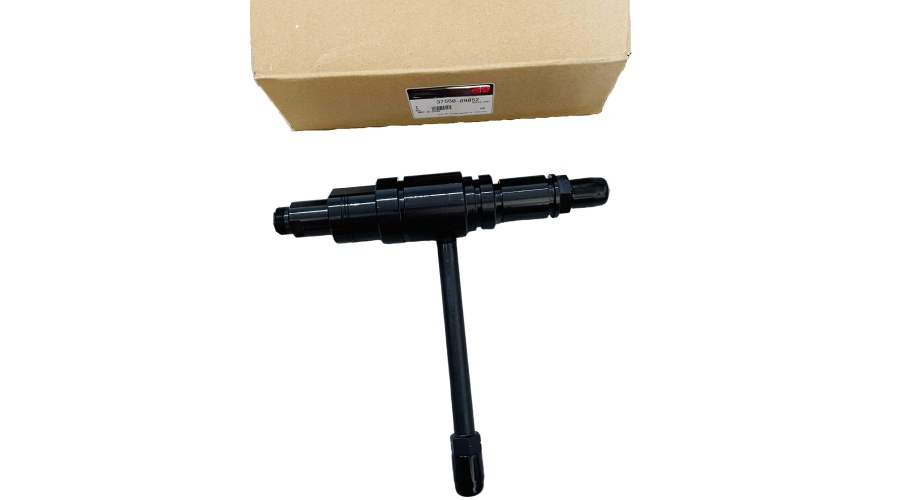
Why Diesel Injector O-Rings and Seals Matter
A modern diesel injector is sealed at several points:
Combustion gas seal – usually a copper or steel washer at the injector nozzle.
Fuel pressure seals – O-rings or special seals on the injector body that separate high-pressure fuel, low-pressure return, and oil galleries.
Oil and coolant seals – on some applications, additional O-rings prevent cross-contamination.
These seals must withstand extreme pressure, heat cycling, and contact with diesel fuel, biodiesel blends, and engine oil. A damaged O-ring can allow high-pressure fuel to escape, air to enter, or combustion gas to pressurize the fuel system.
The most common installation mistake directly compromises the O-rings before they ever see normal operating conditions.
The Most Common Install Mistake: Dry Installation and Forcing the Injector
The mistake is simple to describe and easy to make:
Installing new diesel injector O-rings without proper lubrication—or with the wrong lubricant—and then pushing or twisting the injector into the bore.
When an O-ring is dry, it has a high coefficient of friction against the metal bore. As the injector is inserted, the O-ring can:
Roll out of its groove and become pinched between the injector body and the bore.
Scuff or tear on a sharp edge, burr, or carbon deposit.
Stretch and deform so it no longer seals evenly.
Catch on the bore entry chamfer and cut.
Even a tiny nick that is invisible to the eye can create a leak path once the system is pressurized. In some cases, the O-ring survives the installation but is partially cut; it then fails weeks or months later, making diagnosis difficult.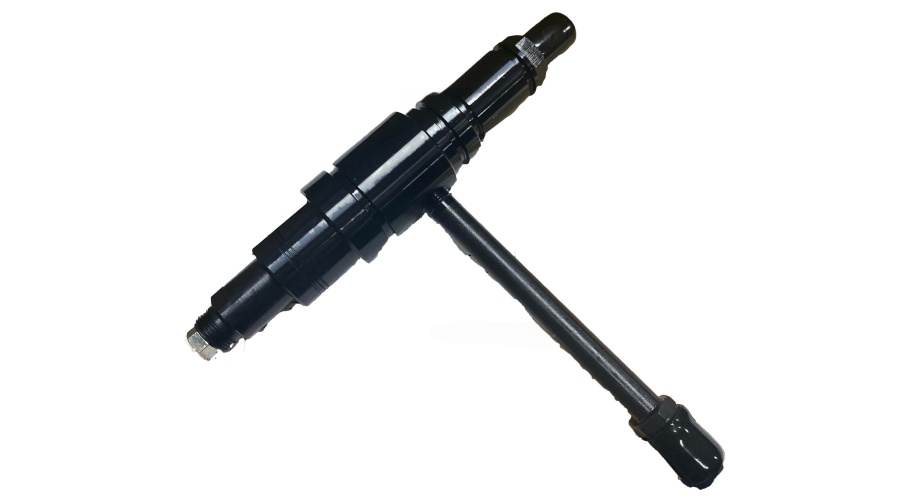
Why do technicians make this mistake?
Several reasons are common:
They treat O-rings like generic hardware. They install them dry because “that’s how the old ones came out.”
They use the wrong lubricant. Petroleum-based grease, engine oil, or generic workshop grease can attack certain O-ring materials or fail to provide adequate slip.
They rush the insertion. Forcing the injector with a pry bar or by tightening the clamp bolt can cut the seal.
They skip bore cleaning. Carbon, rust, or old seal residue creates a rough path that damages the new O-ring.
They reuse old seals. A hardened O-ring may not leak immediately, but it has lost its elasticity and sealing force.
The correct approach is to lubricate the O-ring with a compatible lubricant—typically a silicone-based grease or clean diesel fuel, depending on the OEM specification—and to ensure the bore is spotless and burr-free.
Real-World Case 1: The Cummins 6.7 That Came Back With Fuel in the Oil
A independent repair shop replaced all six injectors on a 2018 Ram 2500 with a Cummins 6.7L. The technician installed the new injectors with the supplied O-rings but did not lubricate them. He reported that the injectors “went in tight,” and he used the hold-down clamp bolts to pull them down.
The truck ran well for about 600 miles. Then the owner noticed a strong diesel smell, a rising oil level, and a rough idle. A diagnostic scan showed injector balance rates out of spec. The shop removed the injectors and found that two of the upper O-rings had rolled out of their grooves and were partially cut. Fuel was leaking past the O-ring into the oil gallery.
Cost: two new injectors (one was damaged by excessive clamp force), a full oil and filter change, and a repeat labor charge. The shop also had to explain to the customer why the repair failed.
Lesson: The O-rings were not defective. They were destroyed during installation because they were dry and the injector was forced into the bore.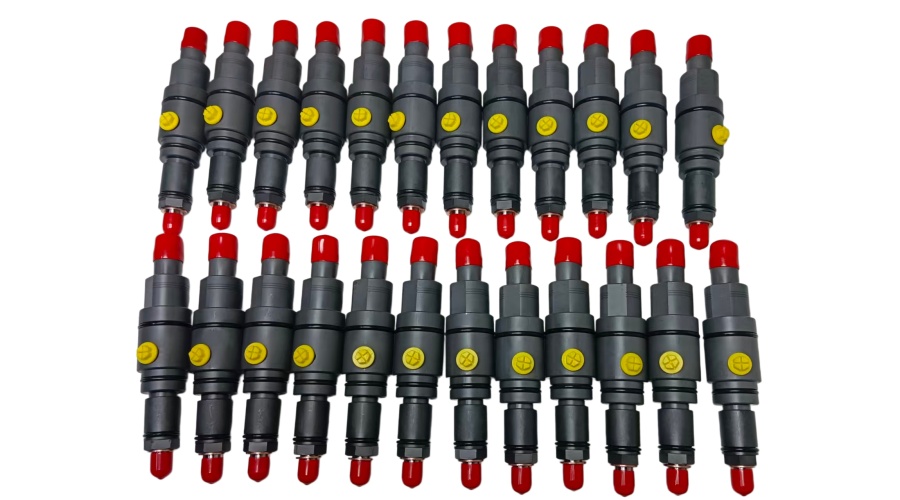
Real-World Case 2: The Fleet That Reused Old Seals
A small delivery fleet performed a preventative injector replacement on three Duramax 6.6L vans. To save time and money, the technician reused the original copper combustion washers and the upper O-rings, reasoning that they “looked fine.”
Within 2,000 miles, one van developed a hard-start condition and black smoke. A leak-off test revealed excessive return flow. Inspection showed that the reused copper washer had not crushed evenly, allowing combustion gas to enter the fuel system. The reused O-ring had hardened and was leaking fuel into the head.
The other two vans showed early signs of the same problem. The fleet ended up replacing all seals and one injector that had suffered carbon damage.
Lesson: Reusing O-rings and copper washers is a false economy. These are single-use components designed to deform and seal once. The most common install mistake is not just dry installation—it is also failing to replace every seal with a new, correct-specification part.
How to Avoid the Mistake: A Practical Install Checklist
Use this checklist every time you install diesel injectors:
1. Verify the Correct Seal Kit
Confirm the O-ring material is compatible with diesel fuel (often Viton/FKM).
Use the OEM part number or a high-quality aftermarket equivalent.
Never substitute a generic O-ring from an assortment box.
2. Clean the Bore Properly
Remove carbon, rust, and old seal residue with a nylon brush and approved cleaner.
Inspect the bore for scoring, burrs, and sharp edges.
Blow out debris with compressed air and lint-free cloth.
3. Lubricate Correctly
Apply a thin, even film of OEM-approved lubricant—silicone grease or clean diesel—to the O-ring and bore entry.
Do not use petroleum-based grease unless the manufacturer specifies it.
Never install an O-ring dry.
4. Install Without Forcing
Seat the O-ring in its groove without twisting.
Insert the injector by hand as far as possible.
Use a gentle twisting motion—never a pry bar or clamp bolt—to seat the injector.
If it will not seat, stop and inspect; do not force it.
5. Replace All Single-Use Seals
Replace copper combustion washers every time.
Replace all O-rings, even if they look reusable.
Check for updated seal designs from the manufacturer.
6. Torque to Specification
Use a calibrated torque wrench on the hold-down clamp or bolt.
Over-tightening can crush the O-ring or distort the injector body.
Under-tightening can allow movement and fretting.
7. Perform a Leak Check
After reassembly, check for fuel leaks at the return line and injector body.
Run a leak-off test if the engine has a rough idle or hard start.
Monitor oil level and smell for fuel dilution.
The Bottom Line
Diesel injector O-rings and seals are not generic hardware. They are precision sealing components that require clean installation, correct lubrication, and proper torque. The most common install mistake—dry installation and forcing the injector into the bore—can destroy a new seal in seconds and lead to repeat repairs, customer comebacks, and expensive damage.
By following the checklist above, you protect the injectors, the engine, and your reputation. If you are sourcing diesel injector O-rings and seals, choose a supplier that provides the correct material, fit, and OEM-compatible specifications—not just the lowest price.
Need help selecting the right injector seal kit for your application? Contact our team for a compatibility check and quality-assured diesel injector sealing solutions.